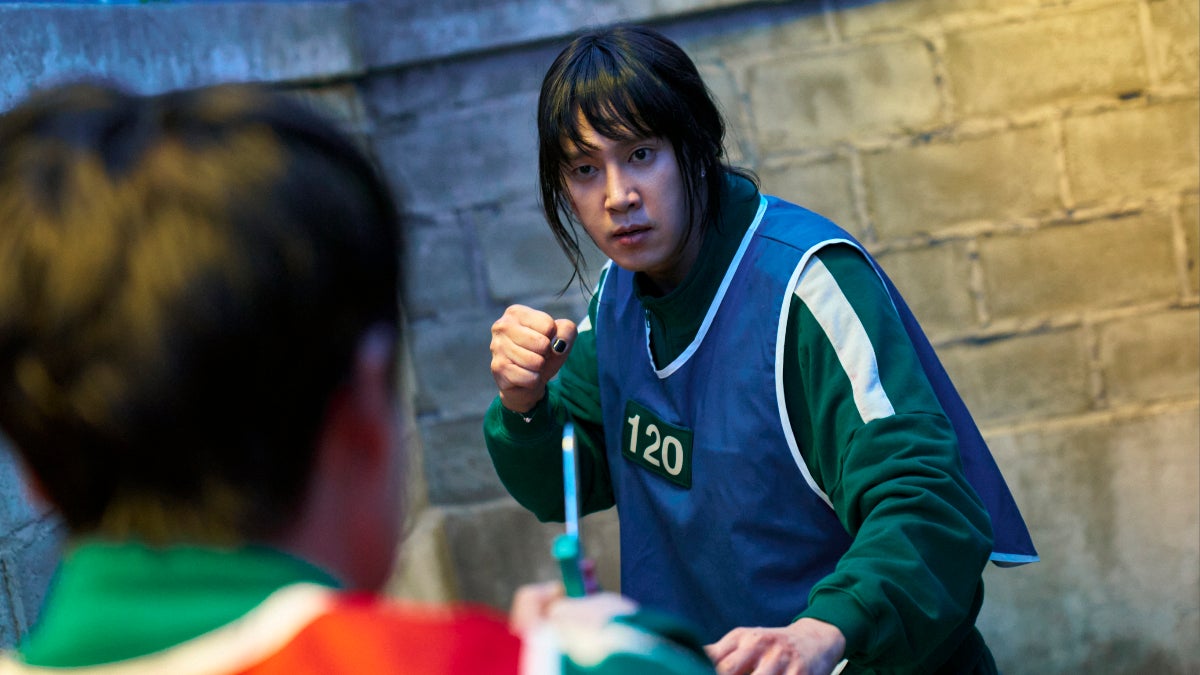
Television is facing a sharp contraction in transgender visibility. According to GLAAD’s latest “Where We Are on TV” report, transgender representation dropped by nearly 80% during the 2025–2026 season, leaving just seven trans characters out of 369 LGBTQ+ characters counted across the medium. Even more starkly, the organization found that none of those seven characters are slated to return for the upcoming television season.
The disappearance is largely tied to the nature of the programming in which these characters appeared. Three of the seven characters were featured on series that have either concluded or been canceled: The Family Law, Community Squad, and Squid Game. The remaining four appeared in Netflix limited series—The Dead Girls, Monster: The Ed Gein Story, Unspeakable Sins, and Wayward—which by design do not carry over into subsequent seasons. Because the report tracks only shows currently on the air rather than unannounced projects in development, the slate of returning transgender characters currently sits at zero.
A Broader Retreat in Representation
The drop in transgender characters reflects a wider pullback in queer storytelling across the entertainment industry. GLAAD counted 369 LGBTQ+ characters overall for the 2025–2026 season, marking a 25% decline from the 489 counted the previous year. While this overall slump was slightly less severe than GLAAD’s earlier forecast—which projected a 41% loss due to cancellations and character exits—the numbers still highlight a significant contraction.
Intersectional representation also reached an eight-year low. Only 44% of the queer characters tracked in the study were people of color, down from 51% the prior season and falling short of GLAAD’s benchmark of at least half.
GLAAD’s leadership argues that retreating from these stories makes little financial sense, pointing to recent breakout hits that centered queer narratives. Netflix’s The Hunting Wives doubled its viewership in its second week to top the platform's charts, while Crave and HBO Max’s Heated Rivalry became HBO Max’s most-watched acquired scripted series ever, peaking at 52 times average demand. GLAAD President and CEO Sarah Kate Ellis described cutting LGBTQ+ stories amid rising audience appetite as a “bad business decision.”
Raina Deerwater, GLAAD’s Associate Director of Entertainment Research and Analysis, noted that studios often misinterpret why diverse shows succeed, particularly among younger audiences. According to data cited by the organization, Gen Z viewers are 61% more likely than the average American to discuss television on social media and 55% more likely to talk about programming with friends. “The more diverse stories you can tell, the more people will watch,” Deerwater said, adding that it falls on cisgender, straight executives in positions of power to champion trans voices and storytellers.
Politics, Public Perception, and Industry Caution
The steep drop in representation arrives amid a heated political climate surrounding transgender rights in the United States. Deerwater suggested that anti-trans rhetoric from conservative politicians likely contributed to Hollywood's risk aversion, though she expressed optimism following recent midterm election results in which several candidates running on anti-trans platforms lost decisively. “The people are speaking … it’s just a matter of making sure that the right people are listening,” she said.
Among television viewers and culture observers, however, there is skepticism about whether political shifts will quickly reverse Hollywood's caution. Many point out that debates over transgender inclusion in women's sports have left a lasting mark on public sentiment across party lines, creating a climate where studios remain hesitant.
"On one hand, I wonder how the blue wave will affect trans inclusion in media in the future but on the other hand, I do think the trans people in sports issue has unfortunately soured their perception for a significant amount of the general public, regardless of political party."
Others argue that even when voters reject certain candidates, ballot measures and political messaging have still succeeded in framing a tiny demographic as a major societal flashpoint, leaving transgender people feeling increasingly sidelined in public life.
"The government’s focus for the last two years has been harassing like 10 trans collegiate athletes, passing laws related to their existence, and just in general pretending it’s an issue. It’s not. It’s not an issue. There are more people getting gas at my local shell gas station right now than there are trans athletes. It’s truly astounding and so disappointing."
Casting Debates and Creative Approaches
Beyond political headwinds, the lack of returning characters has fueled ongoing debate about how writers and casting directors approach transgender roles—and marginalized characters more broadly. Some viewers feel that television writers too often reduce minority characters to a single defining trait rather than letting them exist naturally within an ensemble.
"I just wish writers and producers could figure out how to have LGBTQ+, African-American, and Autistic, etc. people as leading/main cast members without shoehorning it in and making it their entire personality."
Casting practices remain another point of friction. While some observers worry that studios avoid writing trans characters altogether out of fear of backlash over casting cisgender actors—or out of a mistaken belief that only a handful of prominent trans performers exist—others argue that the real barrier is an unwillingness to hire lesser-known trans talent or cast trans actors in everyday roles.
"They are also afraid to have teans people play just regular roles. Not every part a trans actor gets needs to be "look at me im trans" but thats all they seem to get. Let them have othet roles ffs"
For now, with existing series wrapping up and limited runs coming to an end, the immediate pipeline for transgender characters on television remains sparse. Whether studios respond to the commercial success of queer-led hits by greenlighting new, inclusive series—or continue to play it safe in a polarized cultural landscape—will determine whether next year's tally marks a temporary trough or a lasting disappearance.

